Loading...
Serving East Hartford, CT and surrounding areas. (860) 607-9964
A slab poured without the right base and reinforcement will crack and settle, especially in Connecticut winters. We build concrete slab foundations in East Hartford that hold up season after season.
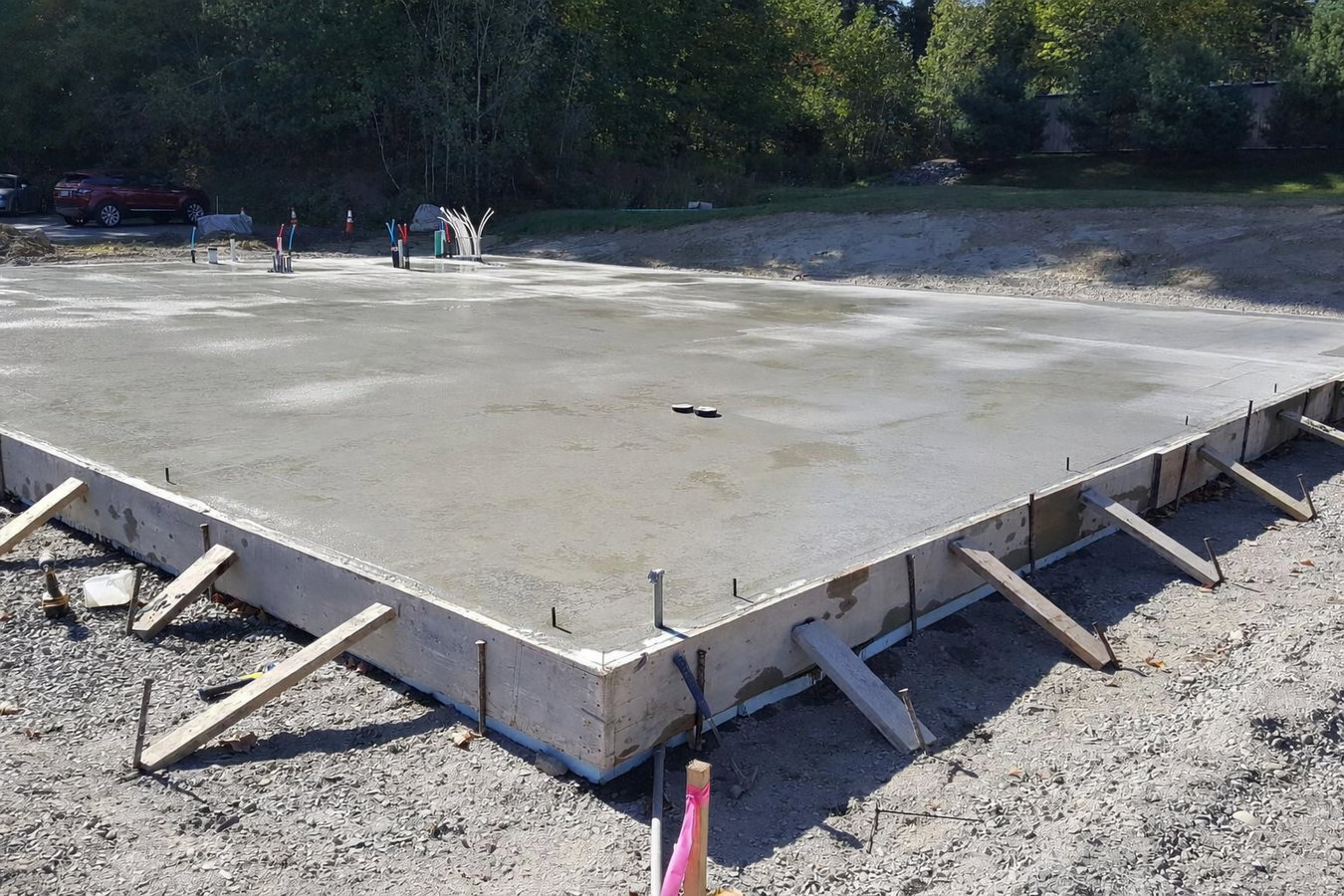
Slab foundation building in East Hartford means pouring a reinforced concrete slab directly on a prepared base that serves as both the floor and structural support for your structure, with most residential projects taking three to seven days of active work followed by roughly 28 days of curing before the slab reaches full strength.
East Hartford has a large share of homes built between the 1940s and 1970s, and many homeowners in those neighborhoods are adding garages, sunrooms, or shed pads to properties that were built without them. Getting the slab right is the step that makes everything else possible - frames, walls, and rooflines all depend on what is underneath them. Before any concrete goes down, the ground has to be graded, a gravel base compacted, a moisture barrier laid, and steel reinforcement placed. If your addition also requires structural support at the perimeter, our concrete footings work is often part of the same project.
If you are planning to add a garage, sunroom, or enclosed porch and the ground underneath is just dirt or gravel, you need a slab before framing begins. Without a proper concrete base, the structure will shift every winter as East Hartford's freeze-thaw cycles move the ground. This is the most straightforward sign: no slab, no stable addition.
If you see cracks running across an old garage floor or patio slab - especially cracks wider than a pencil or with one side higher than the other - the existing slab may be beyond repair. In East Hartford, this kind of damage is often caused by years of frost pushing up from below. Patching only delays the inevitable, and a contractor can tell you quickly whether repair makes sense or replacement is the smarter call.
East Hartford's spring thaw and heavy rain seasons can reveal drainage problems that were not obvious before. If water sits against your home's foundation or collects where you want to build, the site needs grading and a proper slab installed before any structure goes up. Building over standing water is one of the most common causes of slab failure in this region.
Many older East Hartford homes - particularly those built in the 1950s and 1960s - have detached garages or sheds with dirt or gravel floors. If you want to use that space as a workshop, storage area, or finished room, a concrete slab is the first step. A dirt floor allows moisture to rise from the ground year-round, damaging anything stored on it and making the space unusable in winter.
We pour residential concrete slabs throughout East Hartford for garages, home additions, sunrooms, shed pads, and other structures that need a solid base. Every project starts with proper site preparation - grading the soil flat, compacting a gravel base for drainage, and laying a polyethylene moisture barrier before any concrete is mixed. Steel reinforcing bar or welded wire mesh goes in next to give the slab the tensile strength it needs to hold together under load and resist cracking from East Hartford's freeze-thaw cycles. We use a concrete mix designed for freeze-thaw exposure, which matters in a climate where temperatures can swing dramatically in early spring and late fall. For projects where the slab connects to an existing structure, we also work closely with our foundation installation team to make sure new and old concrete work together correctly.
We pull the required building permit from the Town of East Hartford before work begins, and we handle scheduling the required inspections as part of the job. That permit and inspection record is yours when the project closes - it is something that matters if you ever sell the property or want to add to it later. The American Concrete Institute sets the standards our work is built to, and the Town of East Hartford's building inspector verifies compliance independently.
The most common request - a new slab for a detached or attached garage addition, including demolition of old concrete when needed.
For homeowners building an enclosed addition onto an existing home where the new floor needs to match the grade and drainage of what is already there.
Smaller slabs for storage sheds, workshop spaces, or equipment pads where a stable, level concrete base is needed without the scale of a full addition.
For properties where an existing slab has cracked, settled, or heaved beyond repair and needs to be broken out and replaced from the ground up.
East Hartford sits in a climate zone where temperatures regularly drop below freezing from November through March and then warm back up - sometimes multiple times in a single week. That repeated freezing and thawing puts real stress on concrete slabs, especially at the edges and anywhere water can pool. A contractor working in East Hartford needs to account for this by using a concrete mix rated for freeze-thaw exposure and by grading the site so water drains away from the slab rather than sitting against it. The older neighborhoods - including areas like Silver Lane and Burnside that have a high concentration of postwar homes - see this problem frequently because many of those original garage floors and patio slabs were poured without the right prep or mix.
The Connecticut River floodplain runs through parts of East Hartford, and soils in lower-lying areas can be silty or sandy - conditions that require more aggressive base compaction before a slab goes down. We see similar soil conditions in Wethersfield and Glastonbury along the river corridor, and that regional experience helps us ask the right questions about your specific yard before the first shovel goes in. Skipping the soil assessment is one of the most common reasons slabs in this area fail within a few years.
We ask a few basic questions - what you are building, rough dimensions, and whether this is a new structure or a replacement. We reply within one business day and schedule a free on-site visit to look at the location and ground conditions before giving you a written estimate.
Once you approve the estimate, we apply for the required building permit from the Town of East Hartford - this typically takes one to two weeks. No work begins before that permit is in hand. The permit fee is part of your written estimate, so there are no surprise additions at the end.
A few days before the pour, the crew grades the soil, lays compacted gravel, places the moisture barrier, and installs the steel reinforcement and wooden forms. This is the most important phase for long-term performance - it is where a well-built slab separates from a poorly built one.
On pour day, concrete is delivered, spread, and finished - typically two to four hours of active work. The building inspector visits as part of the permit process. After that, keep the slab undisturbed for at least a week before walking on it, and expect the full 28-day curing period before building on top of it.
Free on-site estimate, no obligation. Connecticut's concrete season fills up fast - reach out now and we will reply within one business day.
(860) 607-9964We specify a concrete mix rated for freeze-thaw exposure on every residential slab we pour in East Hartford. That is not standard across all contractors - ask any bidder to confirm the mix design in writing. It is the single biggest factor in whether your slab looks the same in year ten as it did in year one.
We pull the East Hartford building permit, schedule the inspections, and give you the documentation when the project closes. You do not need to visit any office or make any calls to the building department. That permit record protects you legally and financially when you sell or add to your home later.
Daybreak East Hartford Concrete has worked on residential properties across East Hartford and the Hartford metro area - including in neighborhoods where the soil and drainage conditions near the Connecticut River require extra preparation. That local track record means we know what to look for before the first shovel goes in.
Your estimate itemizes gravel base, moisture barrier, reinforcement, concrete, finishing, permits, and cleanup. The Connecticut Department of Consumer Protection requires registered contractors to provide written contracts for residential work over $200 - and we follow that standard on every job regardless of size.
Every credential and guarantee we offer ties back to one goal: a slab that does not require a callback in the first few seasons. If you can see it standing in your yard holding up a garage or an addition through a Connecticut winter, we did our job right.
Full foundation work for new homes and major additions, from excavation through waterproofing and backfill.
Learn MorePoured concrete footings at the correct frost depth for walls, posts, and structural additions.
Learn MoreSpring and summer contractor slots fill up fast in Connecticut - call now or request a free estimate and we will get back to you within one business day.