Loading...
Serving East Hartford, CT and surrounding areas. (860) 607-9964
Diamond-blade concrete cutting for driveways, basement floors, and foundation walls in East Hartford. We handle permits, control the dust, remove the debris, and leave the site clean.
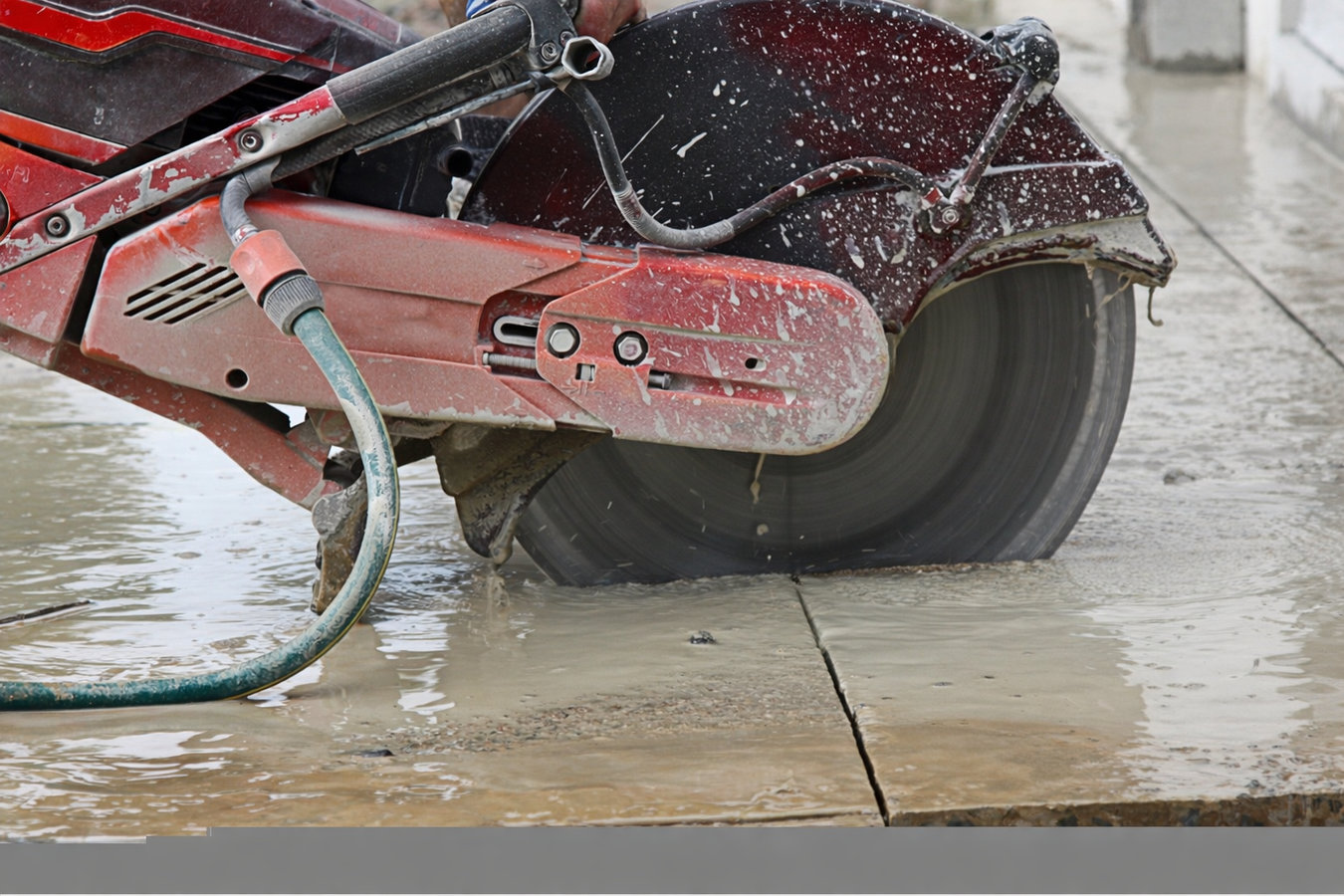
Concrete cutting in East Hartford, CT uses diamond-tipped saw blades to slice cleanly through hardened concrete - for driveway repairs, basement floor openings, foundation wall access, or utility work - with most residential jobs completed in a single day and the site cleaned up before the crew leaves.
A clean cut is not just about appearance. When damaged concrete is cut out rather than patched over, the repair has solid edges to bond to - and that is what makes it last. East Hartford homeowners deal with Connecticut winters that crack and heave concrete repeatedly. If the damaged section is not removed properly first, the same spot will fail again. Concrete cutting is also how any plumber or electrician gets access to your basement floor for new drain lines or utility work. For projects where the existing concrete needs full replacement after cutting, our concrete driveway building service handles the new pour.
If you can fit a pencil tip into a crack in your concrete, water is already getting in. In East Hartford's freeze-thaw winters, that water will freeze, expand, and make the crack worse every season. Cutting out the damaged section and replacing it - rather than patching over it - is the only way to stop the cycle.
If part of your basement floor has lifted, dipped, or feels springy underfoot, the slab may have shifted due to soil movement or moisture beneath it. This is common in East Hartford homes built on clay-heavy ground. A contractor can cut out the affected section cleanly so it can be properly repaired.
Any time a plumber or electrician needs to run a new line through your basement floor or foundation wall, the concrete has to be cut first. If you are finishing your basement or adding a bathroom - a popular project in East Hartford's older cape-style homes - concrete cutting is almost certainly part of the job.
Spalling looks like the top layer of your concrete is peeling away in chips or flakes, caused by water getting into the surface, freezing, and pushing the top layer off. In Connecticut's climate, this is common on driveways and steps that are 15 or more years old. Once spalling reaches a certain depth, cutting out the damaged area gives the repair something solid to bond to.
We use diamond-blade flat saws for driveway, walkway, and basement floor work - making straight, controlled cuts along chalk lines marked before the saw ever touches the concrete. For foundation walls, tight interior spaces, or angled cuts, we switch to hand-held saws or wall saws built for vertical surfaces. Every cut runs wet: water cools the blade and captures the fine dust at the source before it spreads. The resulting slurry is cleaned up and removed before we leave - it is not left to dry on your driveway or basement floor. Cut-out concrete pieces are loaded and hauled away as part of the job. For projects where the concrete cutting connects to a larger paving or parking lot repair, our concrete parking lot building service handles the full scope.
For jobs that require it, we pull the East Hartford building permit before work begins. Your contractor should handle that paperwork - not you. The Concrete Sawing and Drilling Association sets industry standards for safe and accurate concrete cutting work, and we align our methods with those standards. Crystalline silica dust from concrete cutting is a real health concern per OSHA's silica standard for construction, which is why water suppression and slurry cleanup are standard on every job we run.
For homeowners who need a damaged or heaved panel cut out cleanly so a proper replacement pour can bond to solid, square edges.
For plumbers, electricians, or basement finishing projects that require a clean opening through the slab for drain lines, utility access, or sump pit installation.
For creating window wells, egress openings, or utility pass-throughs in an existing foundation wall - work that requires a wall saw and East Hartford building department permits.
For new slabs and patios where expansion joints need to be cut in after the pour to prevent uncontrolled cracking as the concrete cures and settles.
East Hartford sits in a climate zone where temperatures drop hard in winter and climb back up in spring. Every freeze-thaw cycle puts stress on concrete from the outside, while clay-heavy soil in the Connecticut River Valley shifts and moves underneath it. The result is that driveways, walkways, and basement floors here tend to crack and heave faster than in warmer states - and when they do, a patch-over repair rarely holds. Cutting out the damaged section properly, down to clean edges, is what gives a new pour something solid to bond to. Many East Hartford homes built between the 1920s and 1960s also have concrete that is thicker than modern standards and may contain steel reinforcing bars inside it. Cutting through reinforced concrete takes longer, wears blades faster, and costs more - which is why a contractor should assess your slab in person before quoting a price.
Spring is also the busiest season for concrete work throughout the area. After a Connecticut winter, homeowners in East Hartford and neighboring communities like Manchester tend to call contractors all at once in April and May once the ground thaws and the winter damage becomes visible. The best local contractors fill schedules fast during that window - reaching out in late winter puts you ahead of the rush.
We ask what you are trying to accomplish, where the concrete is, and how old the home is. Most contractors can give a rough range over the phone, but the honest answer on price requires seeing the slab - older East Hartford concrete often surprises you once the saw is running.
We come out, check the thickness, look for reinforcing bars, and mark exactly where the cuts need to go. This visit usually takes 30 to 60 minutes and is free. We reply to estimate requests within 1 business day.
For foundation, basement floor, and structural jobs, we pull the East Hartford building permit before the saw touches the concrete. You should not have to navigate the permit office yourself. This adds a few business days to the start date but means an inspector reviews the finished work.
The crew marks lines, runs the saw wet, removes cut pieces, and cleans up the slurry before leaving. We walk the finished work with you and confirm everything matches what was agreed before the crew packs up.
We come out, look at your concrete, and give you a firm price before you commit to anything - no obligation, no surprises.
(860) 607-9964Homes built in East Hartford before the 1960s often have thicker slabs with steel reinforcing bars inside. Cutting through reinforced concrete costs more - and a contractor who quotes without checking puts you at risk of a mid-job price change. We assess your slab before we give you a number, and that number is what you pay.
Foundation and basement floor work in East Hartford requires a building permit, and a town inspector will check the finished job. We handle the permit application and coordinate the inspection - your plumber or electrician is not waiting on stalled paperwork, and you are not chasing down the building department yourself.
Concrete cutting produces fine silica dust that should not be in your home's air. We run wet on every interior job and clean up the slurry before we leave - so you are not scrubbing concrete residue off your basement floor for a week, and the air quality in your living space stays clean.
Connecticut requires residential concrete contractors to hold a current Home Improvement Contractor registration through the Connecticut Department of Consumer Protection. You can verify any contractor's registration in about two minutes - and we encourage you to check ours before signing anything.
East Hartford concrete work is not the same as concrete work in a warmer climate or a newer suburb. Older slabs, clay soil, hard winters, and strict permit requirements mean the contractor you hire needs to know this area. We do - and we put that in writing before the first cut is made.
Once the damaged section is cut out and removed, a new driveway pour gives you a clean, level surface built to last through Connecticut winters.
Learn MoreFor commercial or multi-unit properties where cutting out failed panels is the first step in a larger paving project.
Learn MorePost-winter slots go fast in April and May - reach out now for a free on-site estimate and lock in your date before the rush hits.